
Specialist cable compounder
HFFR, XL-HFFR compounds, XLPE for LV, MV and HV power cables, and specialty grades for solar, EV charging, offshore and marine applications.
Who we are
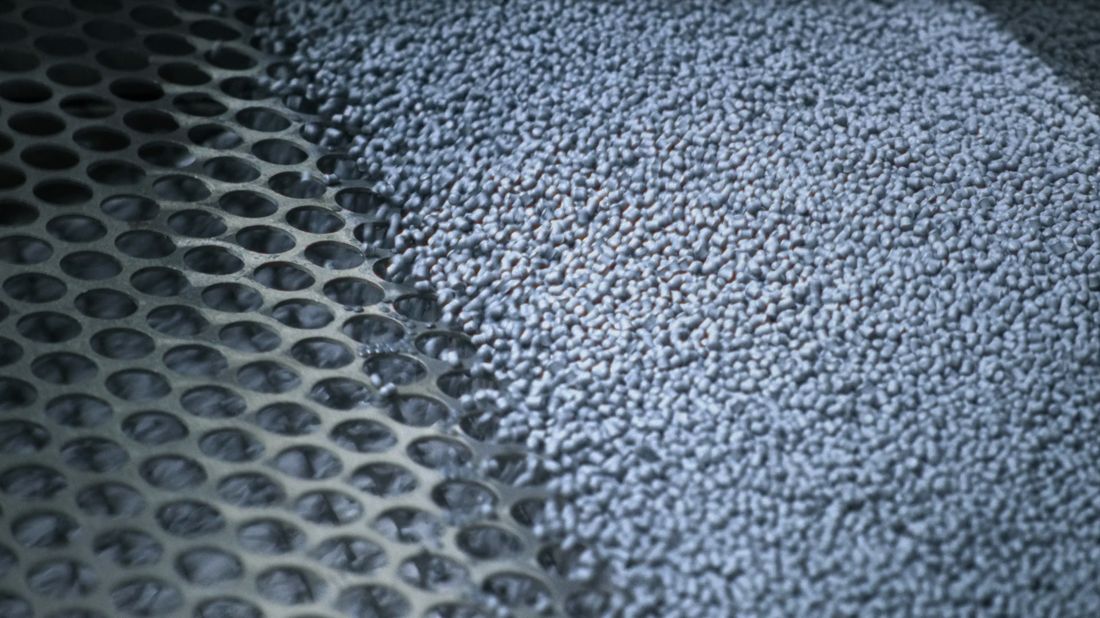
TTK Polymers is the cable-compound company of the TTK Group. Our compounds are developed by a team of polymer and process engineers with more than 20 years of experience in wire and cable materials, and produced at the TTK Group plant in Široki Brijeg, Bosnia & Herzegovina.
Our expertise spans halogen-free flame-retardant systems — including fire-resistant, ceramifiable and non-sticking grades — as well as peroxide- and silane-crosslinkable XLPE, XL-HFFR and high-performance jacketing compounds.
Explore our compoundsCore competencies
Why TTK Polymers
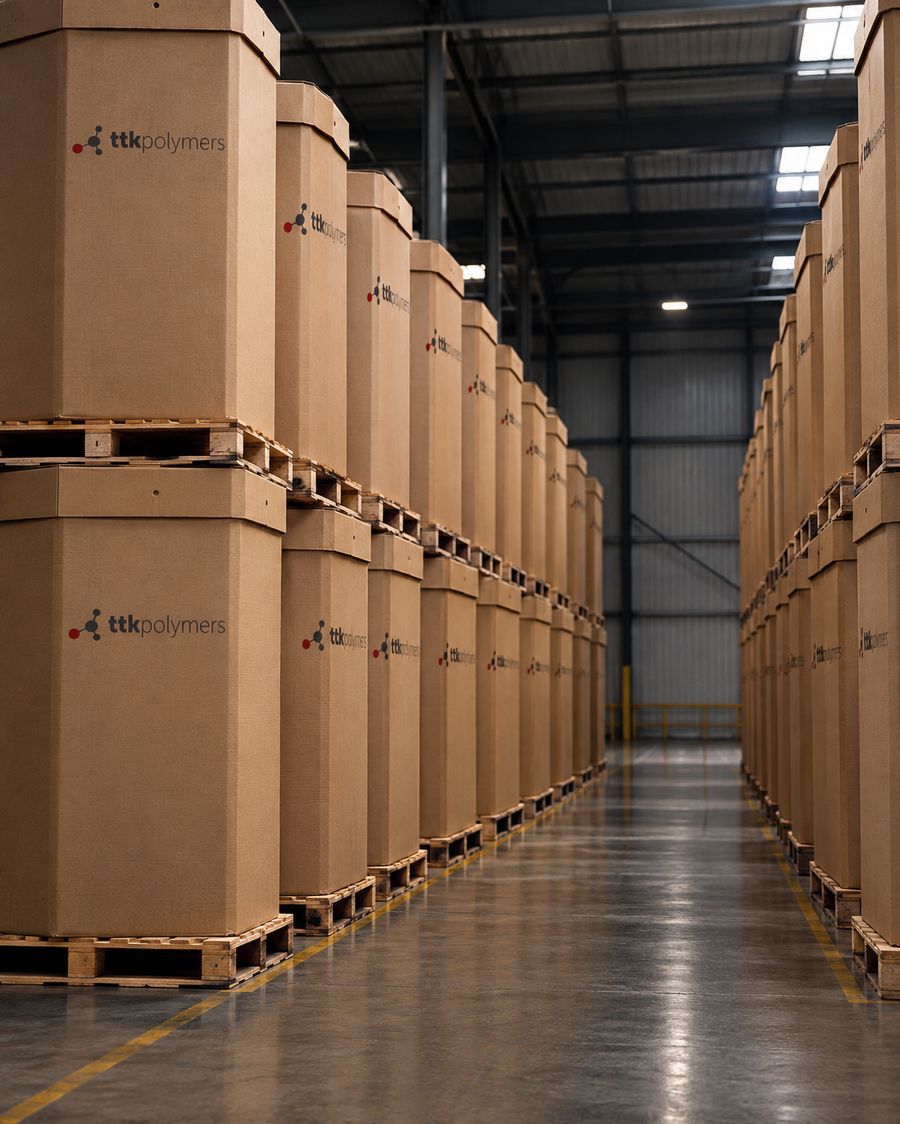
We develop and produce halogen-free, crosslinkable and thermoplastic compounds for wire and cable — as standard grades or to customer specification. Production runs on fully automated state-of-the-art compounding lines in Široki Brijeg, Bosnia & Herzegovina.
50,000+ tons yearly of HFFR, XLPE and crosslinkable compound capacity, with headroom for peak demand and short-notice orders.
Located in South-East Europe with preferential trade access to the EU — short lead times and competitive freight into core European markets.
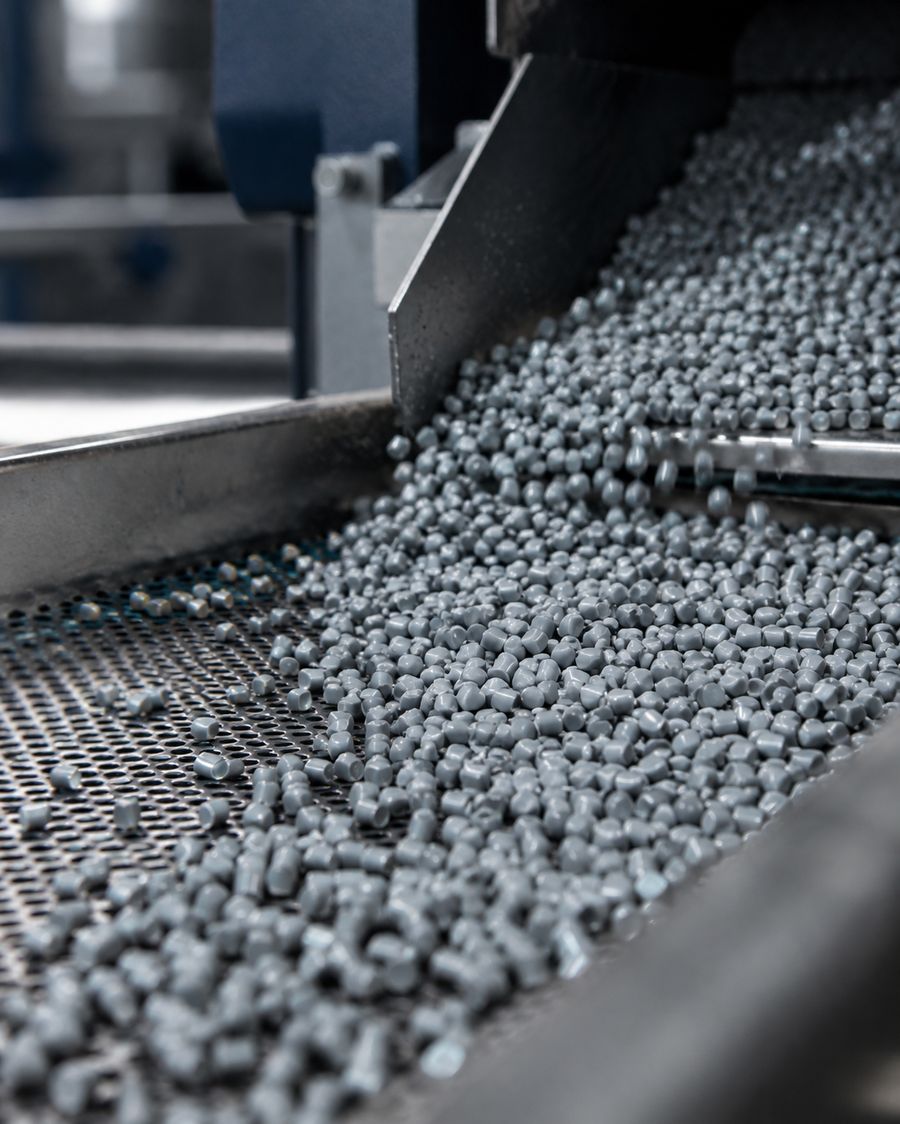
The state-of-the-art compounding lines designed for highly filled HFFR and crosslinkable systems: gentle, uniform mixing, tight temperature control and repeatable batches.
Produced to your formulation or specification under documented quality control. Your recipe stays yours; every grade is REACH and RoHS compliant and ships with full compliance documentation.
Formulations optimised for your extrusion line and transferred from lab to full-scale production with hands-on technical support.
Direct access to our compound specialists — technical enquiries answered within two working days.
Quality foundations
Specification-grade compounding depends on three things working together — and TTK Polymers has all three in-house, under one roof.
Compound chemistry
Every TTK compound is designed from the polymer up — base resin, flame-retardant system, coupling agents and stabilisers are selected and balanced for the cable standard it has to meet.
01
Halogen-free flame-retardant, silane- and peroxide-crosslinkable and thermoplastic systems, each formulated for the fire, electrical and mechanical requirements of its application.
Two decades of development in flame-retardant, crosslinking and coupling-agent chemistry, built into every grade we produce.
Mineral flame-retardant systems instead of halogenated chemistry: no corrosive gases, low smoke and better life safety in enclosed spaces.
Every grade is declared against REACH and RoHS, with SVHC screening of incoming raw materials and test data to support your CPR classification.
Portfolio
No compound family matches the selected filters.
Polyolefin-based, halogen-free, low-smoke insulation and sheathing compounds — including CPR-class grades for cable designs up to B2ca and a ceramifiable grade for fire-resistant and fire-alarm cables.
Grades & targets
Fire-performance & special grades
Cost-efficient halogen-free filler and bedding compounds with an exceptionally wide oxygen-index range, formulated for easy processing and clean stripping.
Grades & targets
Super-clean, peroxide-crosslinkable polyethylene compounds for medium- and high-voltage power cables, produced on dedicated lines.
Grades & targets
Silane-crosslinkable halogen-free compounds that combine rubber-like flexibility with thermoset performance — for solar, EV charging, marine, offshore and automotive cables.
Grades & targets
EV charging
Silane-grafted, moisture-crosslinkable XLPE insulation for 0.6/1 kV low-voltage power cables, compounded under super-clean conditions.
Grades & targets
Thermoplastic elastomer and vulcanisate compounds for flexible, resilient cable jacketing — processed like thermoplastics, performing like rubber.
Grades & targets
E-Beam HFFR compounds are halogen-free flame-retardant formulations designed to be crosslinked by electron-beam irradiation after extrusion. Crosslinking happens in seconds, with no moisture curing, no sauna and no catalyst, so cables can be tested and shipped right after irradiation. The crosslink density is set by the radiation dose rather than by chemistry in the melt, which allows high extrusion speeds without scorch risk. The result is a thermoset insulation or sheath with high thermal rating, excellent hot-set and cut-through resistance, and low smoke and corrosive-gas emission in fire.
Grades & targets
Standards
HFFR grade portfolio · October 2026
The full HFFR grade range below sits under the two compound families above — insulation & sheathing grades and bedding / filler grades — with each grade's target CPR class, governing standard and typical mechanical properties.
The highest fire-performance sheathing grade in the range. A strongly char-forming, anti-dripping formulation developed for B2ca and Cca cable designs, delivering low heat release and low smoke. Meets HM2/HM4 mechanical requirements despite its high filler content; recommended for multi-core and demanding cable constructions.
A balanced solution for cables targeting higher CPR classes: high flame retardancy and drip resistance, with higher mechanical values and easier processing than HST-551 CPR. A cost-efficient choice for B2ca-class cable designs.
Sheathing grade developed for high line speeds. Optimised rheology allows high extrusion rates without compromising surface quality, combined with improved mechanical properties and balanced flame retardancy. Designed for high-output production lines.
General-purpose HFFR compound for both insulation and sheathing of flexible wire and cable. Combines flame retardancy (LOI 41 %) with low smoke and low corrosive-gas emission, and a well-balanced profile of mechanical strength, flexibility and thermal stability. Processes on conventional cable extrusion lines.
Price/performance-focused HFFR insulation and sheathing grade. Meets core HFFR requirements (IEC 60332-1, low smoke, halogen-free) at an economical cost; for Cca /Dca-class and price-sensitive projects.
Crack-resistant HFFR sheathing compound for BS 7655 LTS types and demanding applications, including large-diameter cables. High mechanical strength (tear > 8 N/mm), water resistance per the BS 6469 immersion test, UV stabilisation for outdoor installation and cold flexibility down to −40 °C.
Cost-effective halogen-free sheathing compound designed with processability as the priority. Balanced melt flow and stable rheology give smooth extrusion over a wide processing window, with uniform wall thickness and a smooth surface finish — also on standard PVC screws. Low smoke, low corrosivity.
Sheathing grade with high tear and abrasion resistance for armoured and shipboard cables. Targets SHF1 requirements; with 14 MPa tensile strength and 300 % elongation it suits applications over armour and under high mechanical stress.
Soft (45 Shore D), highly flexible HFFR compound for flexible cables. Elongation above 300 % and excellent crack resistance down to −40 °C; fatigue performance proven by a 30,000-cycle bending test. Char-forming FR system (LOI 42 %) with low smoke; UV-stabilised. Runs on HFFR and standard PVC screws.
High-modulus variant of HST-33CR for BS 7655 LTS types: higher tensile strength and low water absorption for applications requiring a hard, dimensionally stable sheath.
HFFR insulation and sheathing grade for very high line speeds on existing PVC extrusion lines, with no line conversion required. Rheology tuned to PVC screw geometries — a low-investment route for cable makers moving to HFFR.
Very low-viscosity, mineral-filled halogen-free filler compound for energy cables. Low-temperature processing (50–90 °C) cuts energy use and start-up time; in tandem or two-stage processes it does not stick to XLPE, eliminating the need for talc.
Filler compound with high flame retardancy (LOI 45) that lowers the cable's total fire load when combined with a standard HFFR sheath. For Cca-targeted N2XH / NHXMH cable designs.
High-LOI (60 %) mineral-filled filler compound that acts as the main fire barrier in the cable core and reduces the fire load on the sheath in B2ca/Cca designs. Good melt flow with low-temperature processing (50–90 °C); does not stick to XLPE in tandem or two-stage processes — no talc required.
The highest flame-retardant filler in the range (LOI 75). Combined with a mid-range HFFR sheath, it offers a cost-effective CPR solution for B2ca-s1,d0-targeted cable designs.
High-strength (6 MPa) HFFR filler / inner-sheath compound for large-section armoured cables. Used as the layer under the armour in BS 6724 constructions; excellent processing and dimensional stability.
* Mechanical and LOI values are typical values and do not constitute a specification. Final values are given in the product TDS.
** CPR classes (EN 13501-6) apply to cable designs, not to compounds; the classes shown indicate the compound's target capability and must be verified by EN 50399 testing of the cable.
Technical (TDS) and safety (SDS) data sheets are available on request — download links will be added once the files are provided.
Performance & compliance
Flame-retardant, anti-dripping and char-forming for CPR-class cables
Clean, stable dielectric performance
Productivity on standard extrusion lines
Balanced mechanical, processing and burn properties
For demanding installation conditions
Service down to −50 °C
SHF1 / SHF2 chemical durability
Circuit integrity for fire-alarm cables
Compliance & standards
Applications
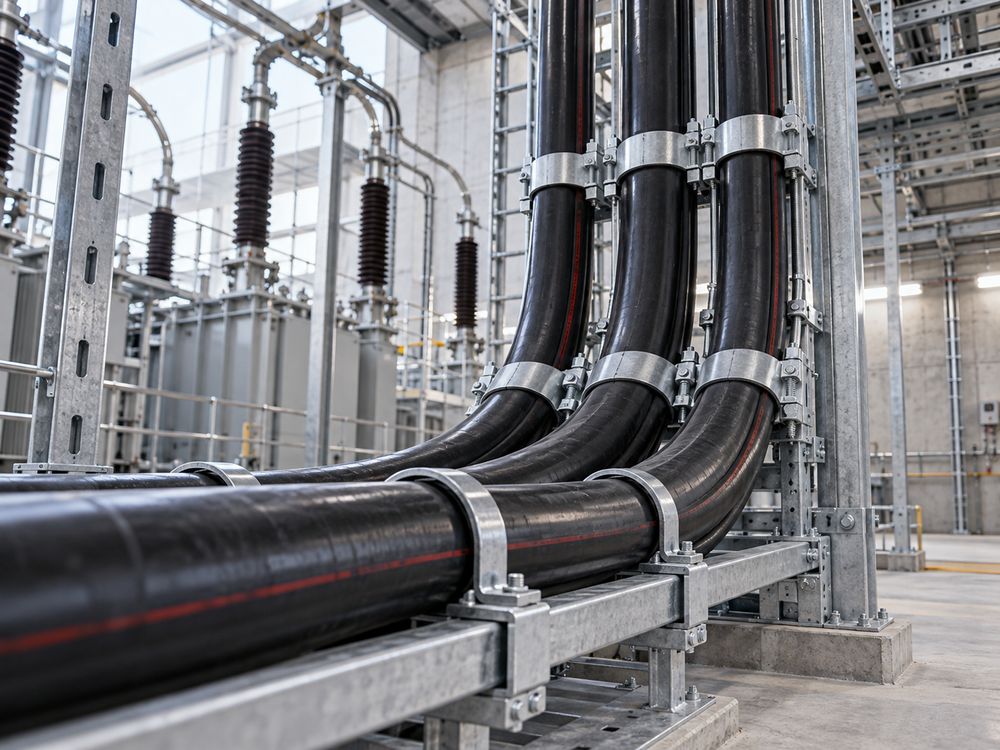

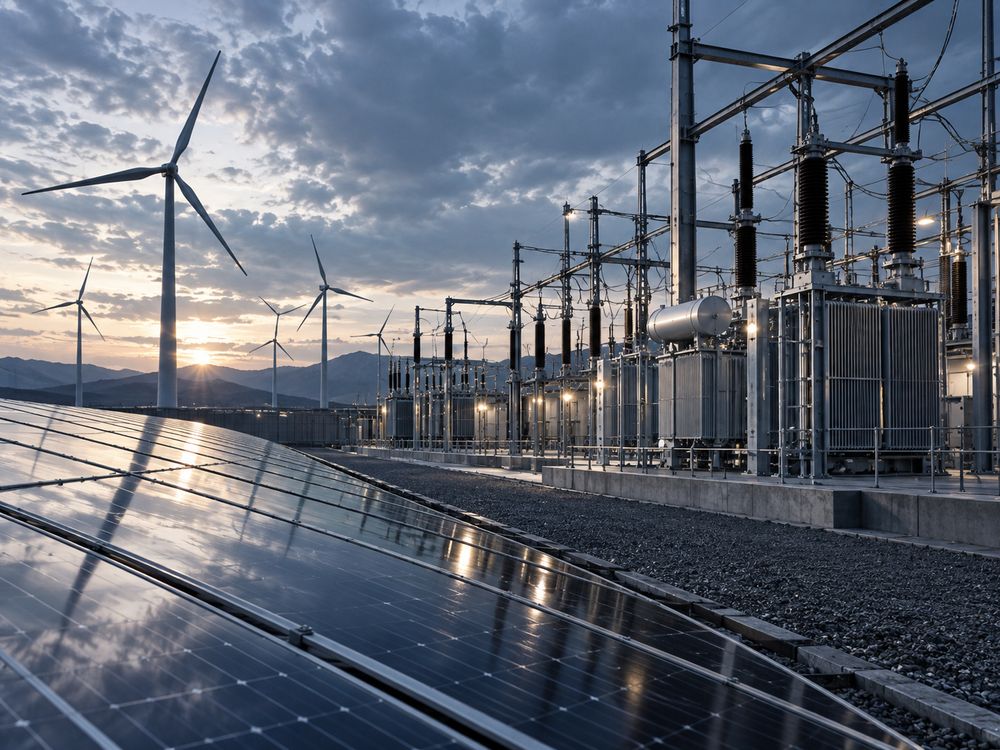

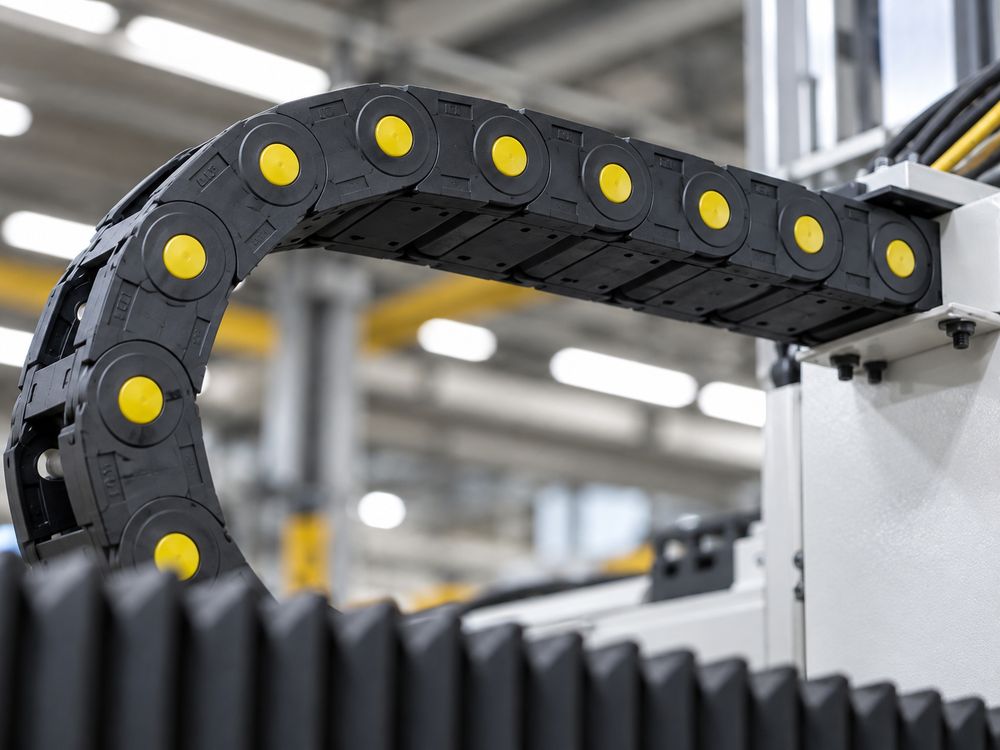
R&D
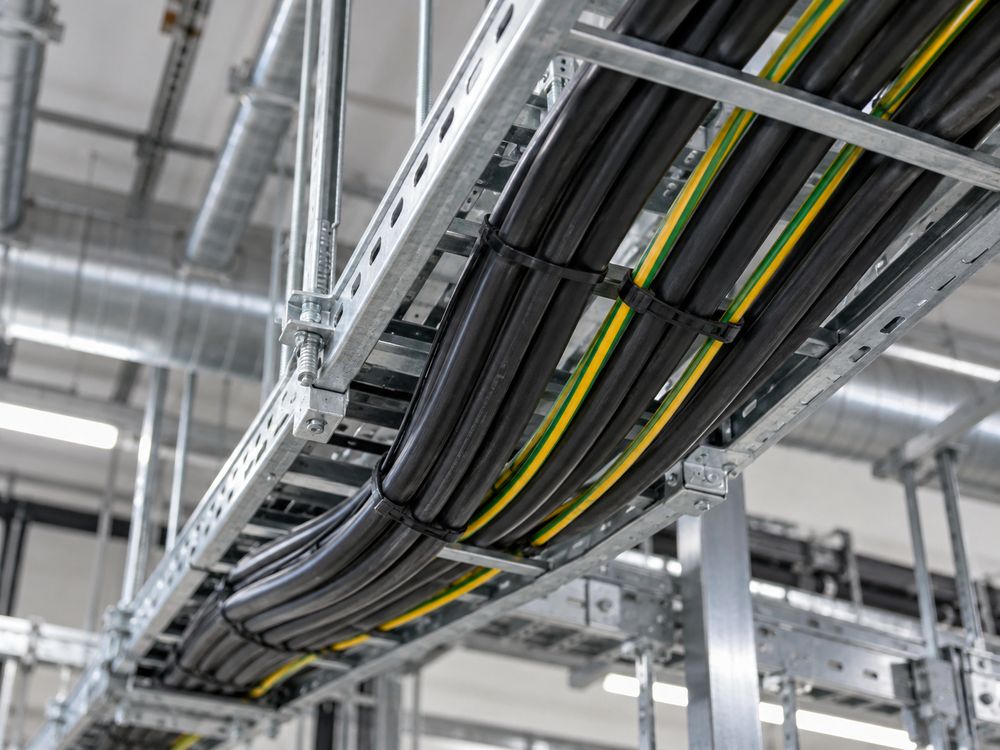
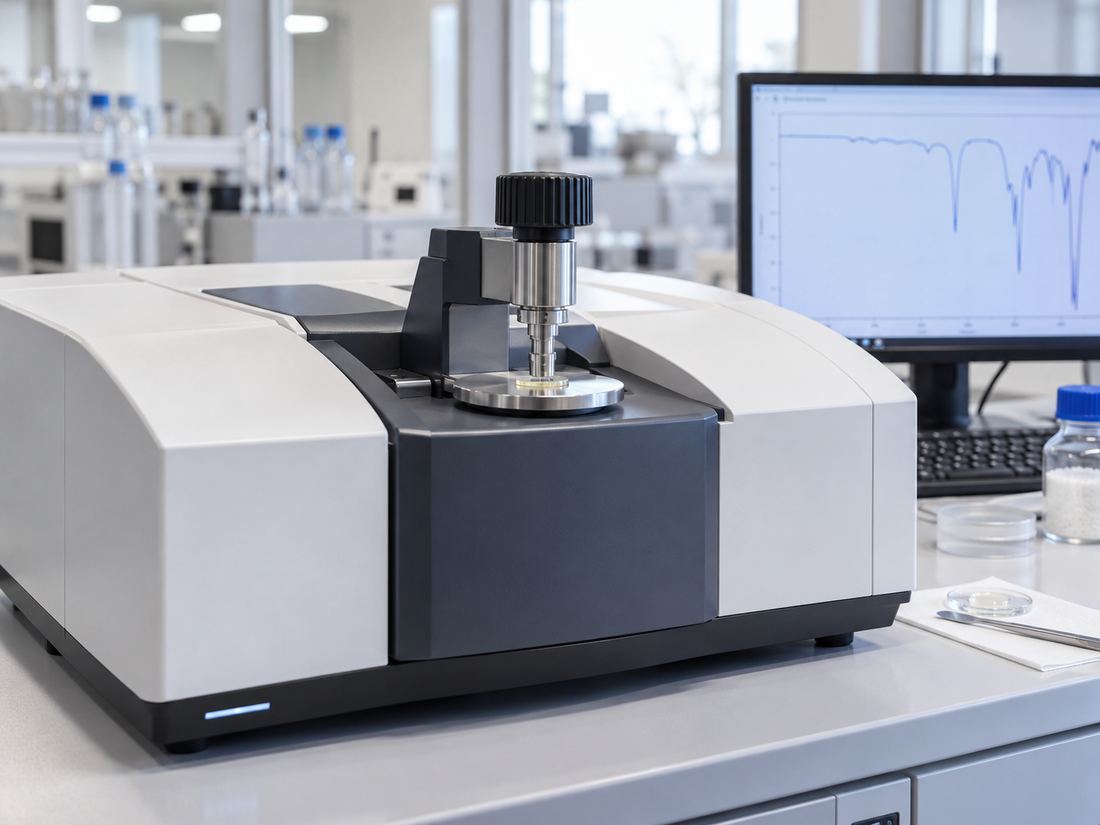
Every development runs in-house — from the first formulation concept through analysis and pilot extrusion to a qualified production batch.
Formulation design
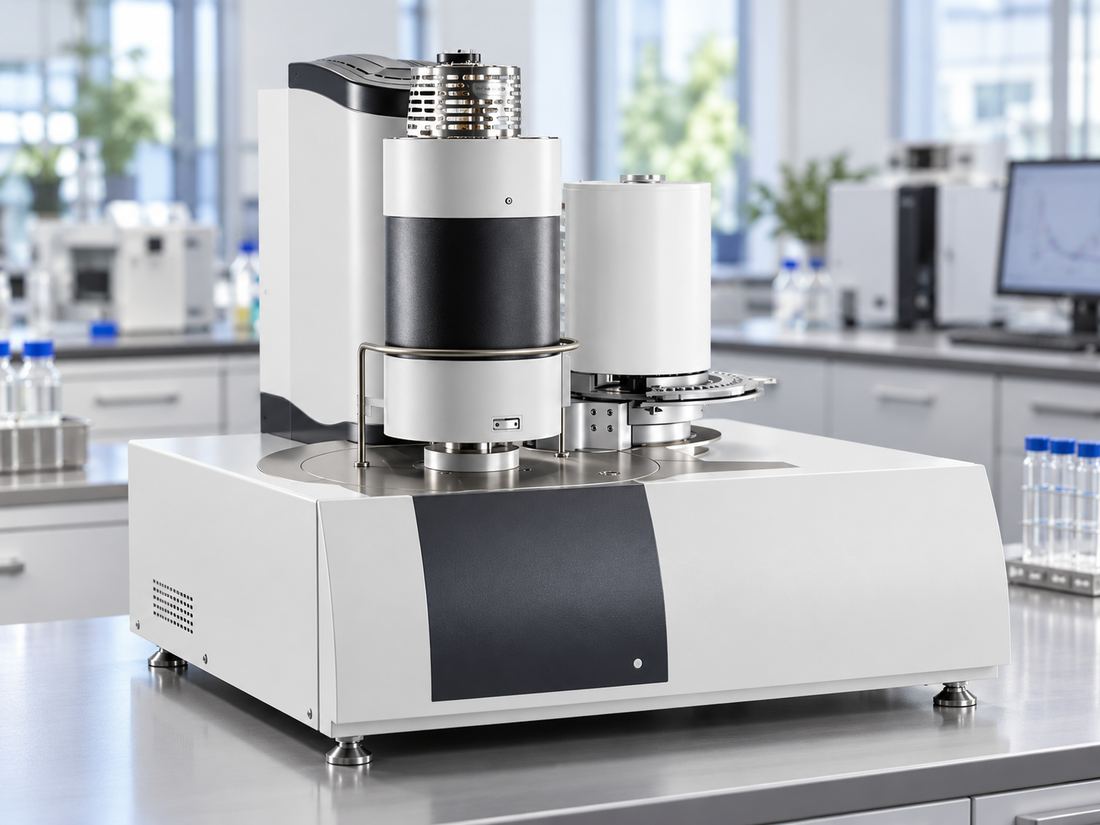
Thermal characterisation
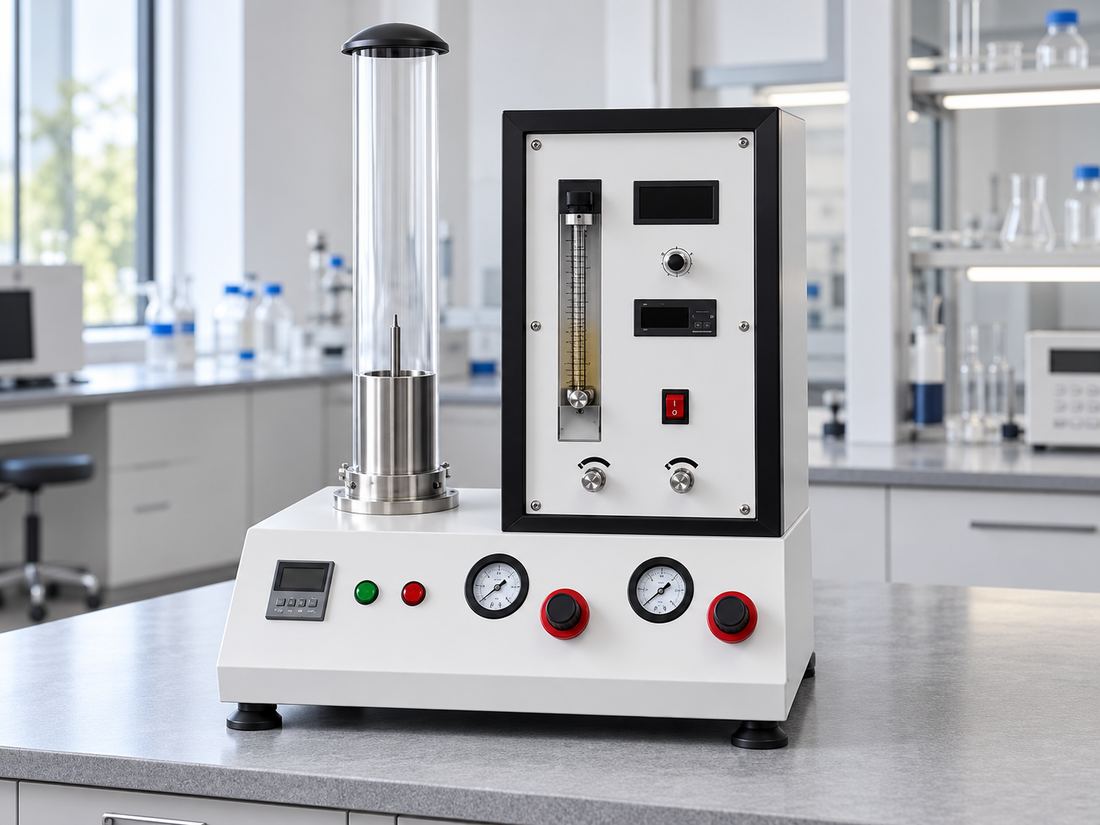
Fire performance
| Capability | What it covers | Analysis & equipment |
|---|---|---|
| Formulation design | HFFR, XL-HFFR, XLPE, TPE and in-house coupling agents | FTIR-ATR spectrometer, melt flow index |
| Thermal characterisation | Melting, crystallisation, decomposition | TGA, DSC and STA analysers |
| Composition analysis | Filler content, ash and elemental composition | XRF spectrometer, muffle furnace |
| Particle and moisture control | Filler particle size and moisture content | Laser particle-size analyser, Aquatrac-V |
| Fire performance | CPR-class and ceramifiable compounds | LOI / TOI, cone calorimeter |
| Crosslinking systems | Peroxide, silane and moisture cure | Hot-set oven (250 °C), xylene extraction |
| Special-duty grades | Marine SHF2, oil-resistant and low-temperature | Water ageing up to 200 °C, ovens up to 300 °C |
| Pilot and trial runs | Cable extrusion simulated before scale-up | Two pilot extrusion lines (40–60 mm) |
| Scale-up and service | Production transfer and line support | Density, tensile testing and digital microscopy |
Development process
We review your specification, target standards and current material.
Formulation design and lab testing until the target property window is met.
Pilot batch, extrusion trial on your line and joint sign-off.
QC
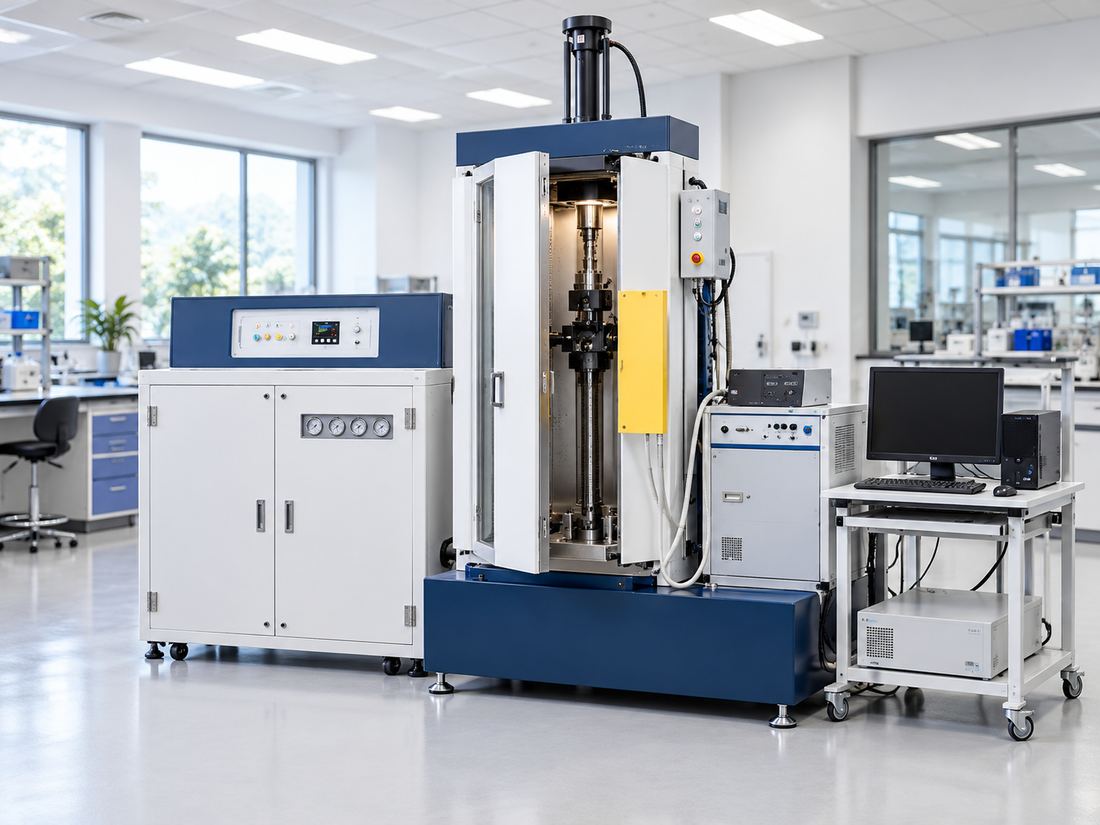
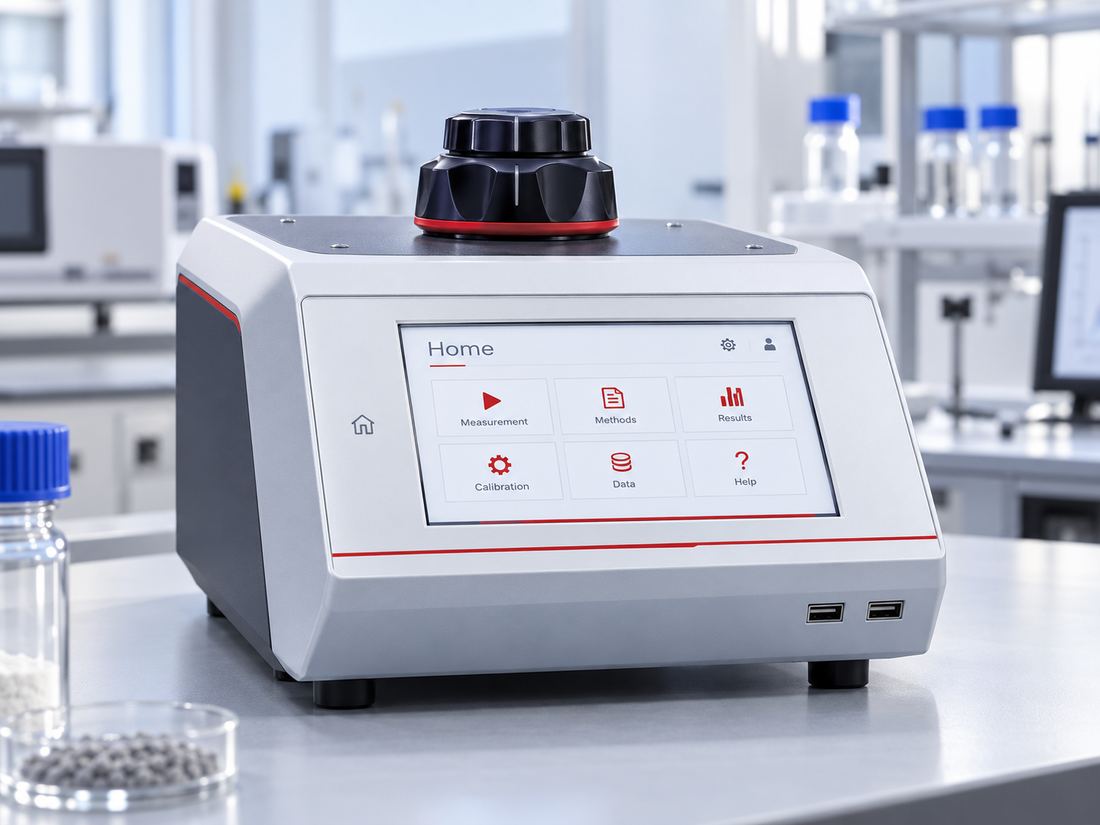
Every development sample and every production batch is characterised on our own instruments — mechanical, thermal, flow and fire testing to the standards your cable must meet.
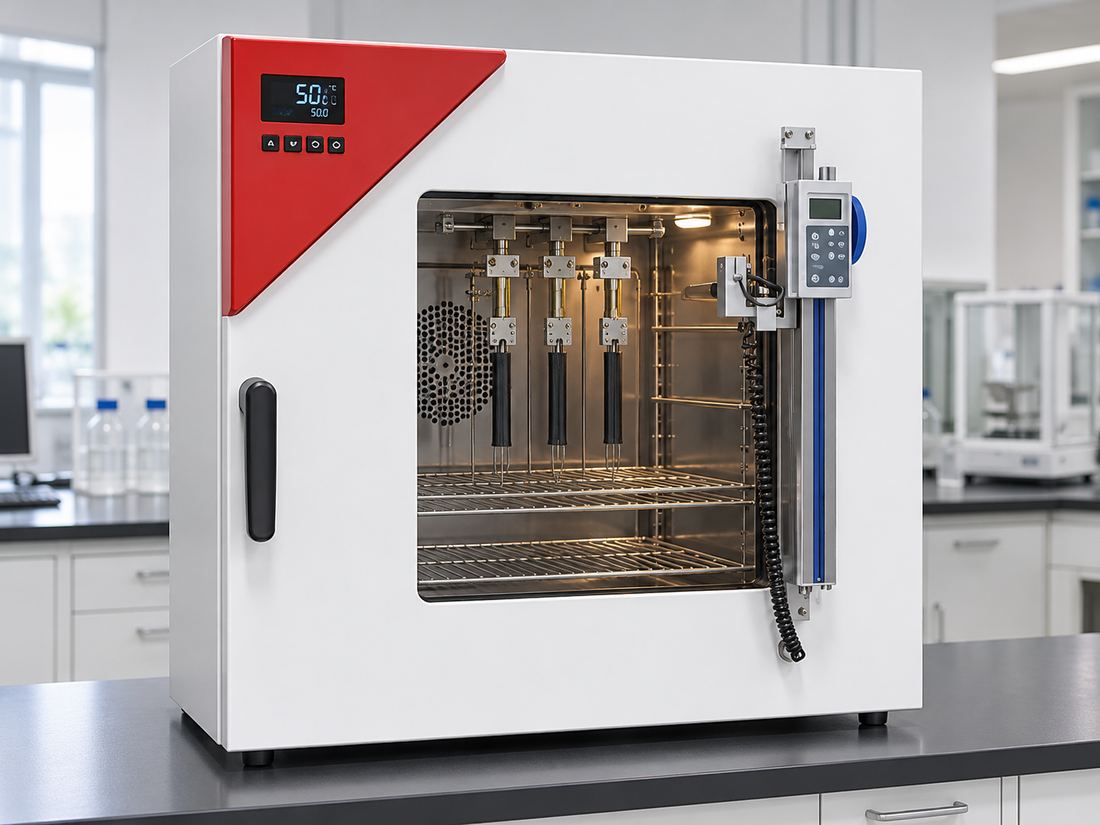
| Test | Method / standard |
|---|---|
| Melt flow index | ISO 1133 / ASTM D1238 |
| Tensile strength and elongation | ISO 527 / IEC 60811 |
| Hardness Shore A / D | ISO 868 |
| Density | ISO 1183 |
| Moisture and volatiles | Gravimetric, water-selective |
| Ash and filler content | ISO 3451, up to 1,100 °C |
| Oxygen index (LOI / TOI) | ISO 4589 |
| Hot set, degree of cure | IEC 60811-507 |
| Water and thermal ageing | Up to 200 °C / 300 °C |
Quality control
Nothing leaves the plant without passing the laboratory. Each stage has defined tests, tolerances and records.
Polymers, flame retardants and additives are sampled on arrival and checked for moisture, ash and melt flow against the supplier data sheet.
Melt flow index, density and Shore hardness are checked line-side during every run, with retained samples kept for each batch.
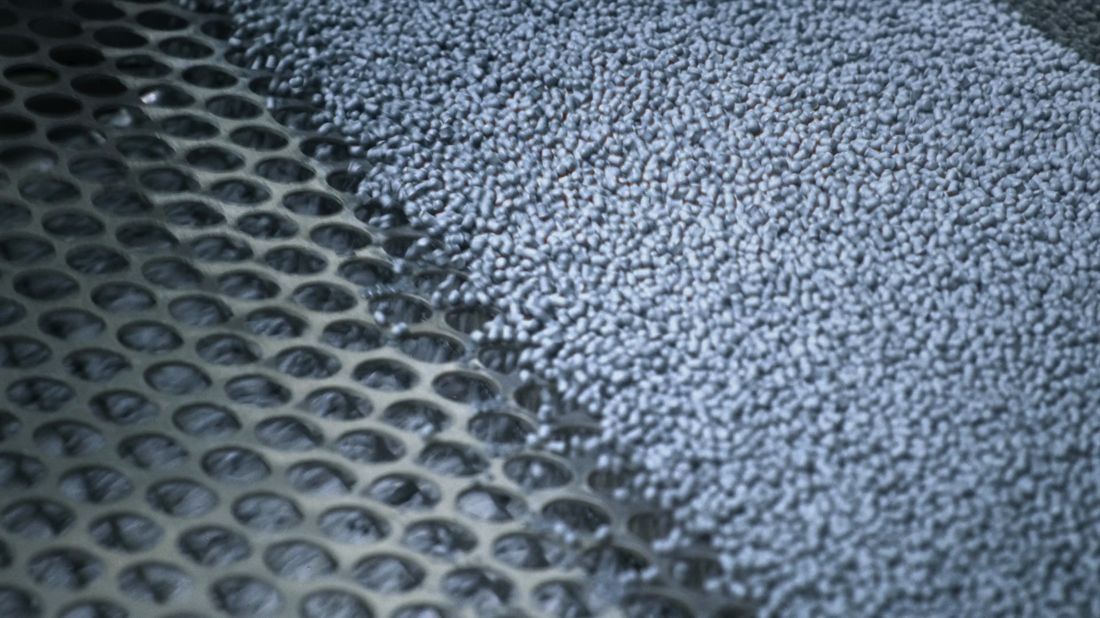
Tensile strength, elongation, hot set and oxygen index are tested on the finished pellets; every batch ships with a certificate of analysis.
Full traceability — every batch is recorded with raw-material lots, line parameters and test results, retained for audit and re-testing.
Contact
Send your specification and target standards to sales@ttkpolymers.com — our technical team replies within two working days.